
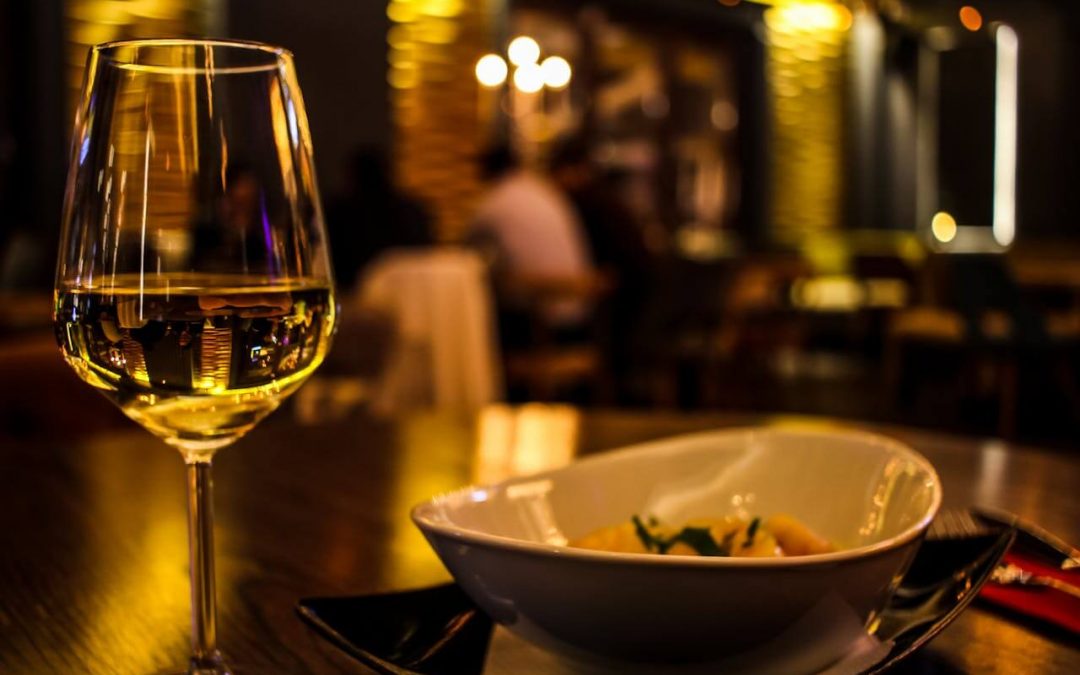
What wine goes with Italian food depends on the sauce, how rich the dish feels, and the main ingredients. A bright tomato sauce usually pairs well with a wine with strong acidity, while creamy dishes often taste better with fuller whites that still feel fresh.
At The Red Door in Mission Hills, Chef Luciano’s seasonal Italian dishes and curated wine list help guests find the best wine for Italian food with a few simple rules. Acidity is the fresh, mouth-watering feel, body is how light or full a wine feels, and tannins are the structure in red wines that can balance rich foods.
Key Takeaways
- Sauce matters more than the dish name, so start there.
- Tomato dishes usually taste best with bright, high-acid wines.
- Creamy pastas pair well with fuller whites that still feel fresh.
- Bubbles work great with salty, fried, or snacky starters.
- When unsure, guests can ask for “light and crisp” or “medium and juicy.”
Simple Rules for What Wine Goes with Italian Food
Guests do not need expert wine knowledge to pair well with Italian food at The Red Door. A few simple guidelines cover most orders.
- Match the weight: Light seafood and starters pair well with light, crisp whites; hearty pasta and meat dishes pair well with fuller reds.
- Mirror acidity: Tomato-forward dishes often pair best with high-acid reds, and crisp whites can also work.
- Use tannins to balance richness: Structured reds can handle slow-cooked sauces, cheeses, and richer meats.
- Choose bubbles for salty bites: Sparkling wine refreshes the palate with fried or salty starters.
- Keep it simple: If the menu reads “tomato,” “cream,” “herbs,” or “braised,” that word points to the right wine style.
If a guest wants a quick answer, the team can suggest a bottle based on the order, and the dinner menu description helps them state what they want in simple terms.
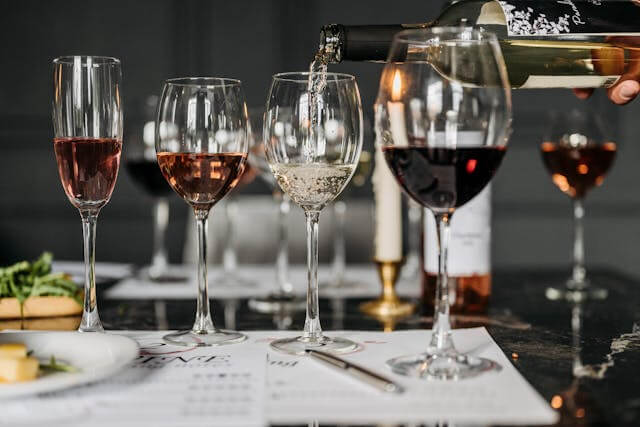
Best Wine for Italian Food: A Quick Matching Guide
The best wine for Italian food at The Red Door depends on what is on the plate and what is in the glass. Chef Luciano’s list makes matching easier because guests can choose by style, such as crisp white, medium red, or sparkling.
- Seafood and seasonal fish dishes → Pinot Grigio, Vermentino, or other light, citrusy whites.
- Tomato-based pastas and flatbreads → medium-bodied reds with bright acidity, like Sangiovese-driven styles.
- Creamy, cheesy, or butter-rich pastas and risottos → fuller whites with good acidity, like Soave, Verdicchio, or lightly oaked Chardonnay.
- Slow-braised meats, steaks, or lamb → structured reds in the style of Nebbiolo or Brunello style Sangiovese, or comparable full-bodied reds.
- Antipasti, charcuterie, and fried starters → Prosecco or other dry sparkling wines, plus refreshing rosés.
Quick Reference Table: What to Drink with What
Guests can skim this table on a phone while deciding what to order.
| Dish Type | Wine Style to Choose | Example Styles / Grapes |
| Tomato-based pasta or flatbreads | Medium-bodied, high-acid reds | Chianti style Sangiovese, Barbera |
| Creamy pasta or rich risotto | Fuller-bodied whites with acidity | Chardonnay, Soave, Verdicchio |
| Local seafood and fish | Light, crisp whites | Pinot Grigio, Vermentino, Gavi |
| Hearty meat dishes and braises | Structured, full-bodied reds | Barolo style Nebbiolo, Brunello style |
| Antipasti, fried starters, bar bites | Sparkling or light whites or rosés | Prosecco, dry rosé |
| Italian-style desserts | Sweet or semi-sweet dessert wines | Moscato d’Asti, Vin Santo style |
A quick note: Tomato dishes usually need freshness, and wines with higher acidity often feel brighter with food, which is explained in a simple way on the UC Davis wine acidity guide. The next sections go a bit deeper by dish style.
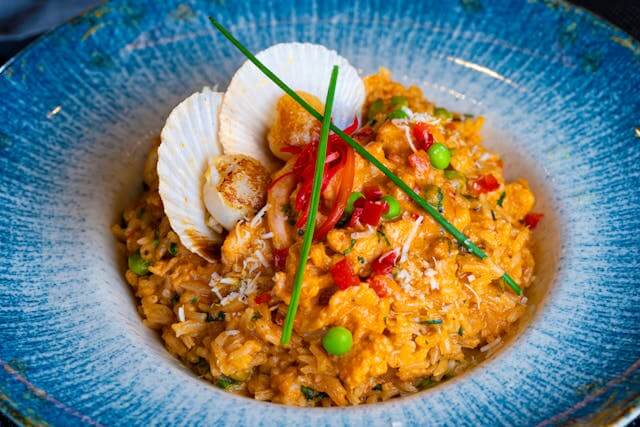
Wine Pairings for Pasta and Risotto at The Red Door
Pasta and risotto pairings work best when guests focus on the sauce and intensity. The menu changes with the season, so guests can check the dinner menu and match wine style to the description.
Tomato-Based Pastas (Marinara, Bolognese, Ragù)
Tomato sauces pack acidity and a hint of sweetness, so you need a wine that won’t get overwhelmed. Match that tang with a wine that has similar brightness, and the pairing stays fresh.
- Sangiovese-based reds: The acidity cuts right through the tomato, and you’ll pick up herbal notes that work beautifully with the savory depth of ragù or Bolognese.
- Montepulciano-style reds or Barbera-style wines: These offer juicier fruit and softer tannins, keeping the pairing smooth and approachable while still matching the sauce’s intensity.
- Pinot Noir: A lighter choice that still has enough acidity to keep pace with marinara or lighter tomato-based pasta, ideal for guests who prefer a gentler red.
Creamy or Cheese Rich Pastas (Alfredo Style, Four Cheese, Creamy Mushroom)
Creamy dishes need freshness to balance richness, but they also need enough body to stand up to the sauce.
- Unoaked or lightly oaked Chardonnay with good acidity.
- Soave, Gavi, or Verdicchio for clean flavors and lift.
- For red wine fans, a soft, low-tannin red served slightly cool often feels smoother.
Herb Forward and Olive Oil-Based Pasta (Aglio e Olio, Pesto, Seasonal Veg)
Olive oil, garlic, and herbs pair well with wines that feel bright and aromatic.
- Vermentino-style whites or Sauvignon Blanc for herbal, citrus-driven matches.
- Dry rosé for dishes that feel light but still have richness from oil or cheese.
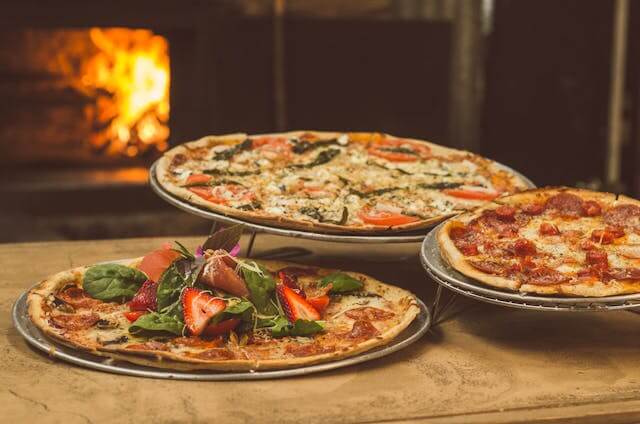
What Wine Goes with Italian Pizza and Flatbreads
Many guests think of pizza and flatbread pairings the same way they do pasta. Sauce, salt, and toppings guide the best match.
Classic Tomato and Mozzarella Styles
Tomato sauce brings acidity and brightness, while mozzarella softens that sharpness with its mild flavor and creamy texture. The best wines enhance both without overpowering the dish.
- Medium-bodied reds with bright acidity, like Chianti or Barbera: These wines have enough freshness to stand up to tomato sauce and enough fruit character to complement the creamy mozzarella.
- Dry rosé: Chilled but crisp, a dry rosé highlights the tomato’s acidity while keeping the meal light and refreshing, perfect when you want something less intense than red wine.
Meat Heavy or Extra Cheese Styles
Rich, hearty pizzas or flatbreads loaded with meats and extra cheese need wines that can stand up to all that fat and salt. The goal is balance—fruit and acidity help cut through richness.
Try juicy reds made in a Montepulciano or Primitivo style. Their bright fruit and medium body complement pepperoni, sausage, and other savory toppings.
If you or your guests prefer something non-Italian, a Zinfandel-style red offers a similar bold flavor with a smooth, spicy edge.
Vegetable Focused Flatbreads or Pizzas
Lighter, plant-forward pizzas often highlight roasted vegetables, herbs, and olive oil. These flavors shine with wines that are fresh, lively, and not too heavy.
Look for light Sangiovese-style reds or Valpolicella-style blends—they bring just enough acidity and structure without overpowering the vegetables. For an even brighter match, try a crisp white or rosé, which pairs beautifully with toppings like artichoke, mushroom, or arugula.
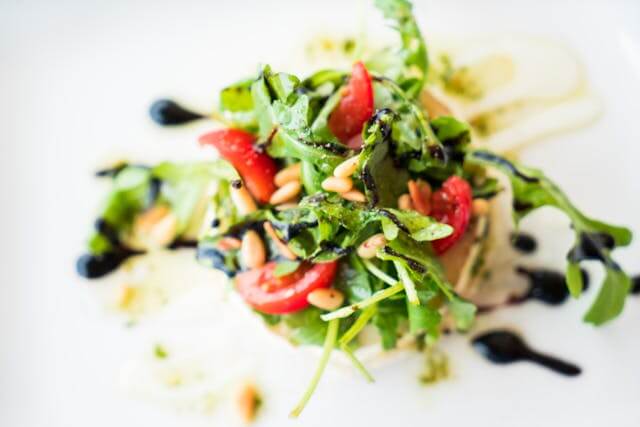
Wine Pairings for Seafood and Starters at The Red Door
Seafood and starters often call for lighter wines that keep the meal feeling fresh. Since local seafood availability can shift with seasons, many diners like simple guidance on sustainable choices from Seafood Watch, then pair them by sauce and cooking method.
Local Seafood and Fish Dishes
Simple, fresh seafood deserves clean, balanced wines.
- Pinot Grigio, Vermentino, or Fiano bring bright citrus and minerality that match grilled or lightly sauced fish.
- Dry sparkling wines add a crisp finish that complements fried seafood or fritto-style dishes, balancing richness with bubbles and acidity.
Antipasti, Salads, and Charcuterie
Boards and small plates mix salt, fat, and tangy flavors, so flexible wines work best.
- Prosecco or other dry sparkling for a wide range of bites.
- Light whites or rosés with bright acidity for mixed plates.
- For meat-heavy boards, a chilled Lambrusco-style or light red can fit well.
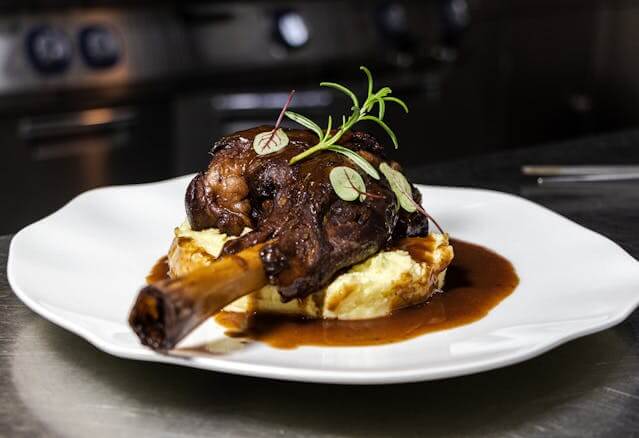
Wine with Hearty Italian Meat Dishes
Richer meat dishes and braises often pair best with structured reds. Tannins can help balance richness, and UC Davis notes that tannins contribute to mouthfeel and structure in red wine on its tannin overview.
Braises and Slow Cooked Meats
Slow-cooked dishes develop deep, concentrated flavors that need wines with structure and depth. Look for reds with strong tannins and enough acidity to balance richness.
- Barolo-style Nebbiolo, Brunello-style Sangiovese, or Amarone-style blends match beautifully with braised beef, lamb shank, or osso buco. Their bold character and earthy notes cut through hearty sauces.
- For non-Italian options, Cabernet Sauvignon or Syrah makes a strong companion, offering similar weight and intensity.
Breaded Cutlets and Roasts
These dishes are rich but not as heavy as long braises, so they pair best with reds that balance flavor and freshness. You want enough acidity to cut through the coating and keep each bite lively.
- Chianti Classico style wines, Barbera, or Dolcetto all work well. Their bright fruit and moderate tannins complement roasted or breaded meats without overpowering the meal.
- Medium-bodied Merlot-style wines offer softer tannins and a rounder texture, appealing to those who prefer a smoother, less acidic style.
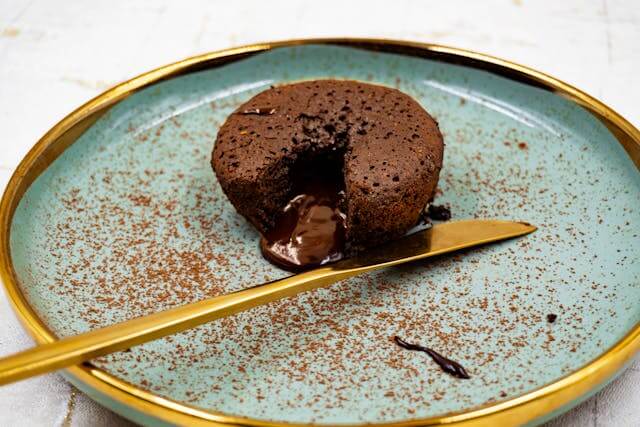
Italian Desserts and After-Dinner Sips
The key to pairing wine with dessert is balance. Choose a wine that’s at least as sweet as what’s on the plate, so neither one feels dull or bitter. Guests can browse the dessert menu and pick a pairing that fits the mood—light, rich, or somewhere in between.
Creamy, Coffee, and Nut-Based Desserts
Flavors such as mascarpone, espresso, or toasted nuts pair best with wines that have gentle sweetness and warmth.
- Moscato d’Asti-style wines offer a light sweetness with soft bubbles, making themperfect for creamy or custard-based desserts.
- Vin Santo-style dessert wines bring deeper, nutty notes that complement tiramisu or hazelnut desserts.
- Lightly sweet sparkling wine suits guests who enjoy bubbles without too much richness.
Chocolate Desserts and Biscotti
Chocolate pairs best with wines that can handle its intensity. You need richness and depth, not lightness.
- Recioto- or Amarone-style wines feature dark-fruit flavors and natural sweetness that complement chocolate cakes or tortes.
- Marsala-style dessert wines or an amaro-style digestif balance sweetness with herbal or spiced notes, making a fitting finish with biscotti or darker desserts.
Easy Ordering Tips at The Red Door
Guests can keep ordering simply by focusing on how the dish reads on the menu and how the wine feels in the glass. Use these quick tips to choose faster:
- Decide whether the dish feels light, medium, or rich before picking wine.
- Use menu cues like tomato-based, creamy, herb-driven, grilled, or braised to choose a wine style from the guide above.
- Ask staff in plain language, such as “crisp white” for seafood or a “medium red” for tomato sauce.
- Trying a new style from the list helps guests find favorites for future visits, and booking reservations can help on busy evenings.
Frequently Asked Questions
Is white or red wine better with Italian food?
Both white and red wines pair beautifully with Italian food, depending on the dish. Rich tomato or meat sauces match better with red wines like Chianti or Barbera, while creamy or seafood pastas shine with crisp whites such as Pinot Grigio or Vermentino.
What is the best wine for Italian food with tomato sauce?
For tomato sauce, the best wine for Italian food is usually a high-acid red like Sangiovese because it matches the sauce’s tang. A crisp white can also work when the dish is lighter.
What wine goes with creamy pasta?
Fuller whites with good acidity often taste best, such as Soave, Verdicchio, or lightly oaked Chardonnay.
Does sparkling wine pair with Italian food?
Yes, sparkling wine pairs well with Italian food, especially salty starters, fried bites, and seafood. Bubbles reset the palate between bites.
Can non-Italian wines pair with Italian food?
Yes, non-Italian wines can pair with Italian food when the wine has the right acidity, body, and tannins. Guests can choose by sauce style first, then pick a similar wine style they already like.
What should guests do if they are unsure what to order?
If guests are unsure what wine goes with Italian food, asking staff for a “light and crisp” or “medium and juicy” option helps a lot. Guests can also contact the restaurant with a quick question before visiting.
Should guests pick wine based on the pasta shape or the sauce?
Wine matches Italian food best when guests focus on the sauce, not the pasta shape. Tomato, cream, and herb-based sauces point to the right wine style faster.
Final Tips for Pairing Wine with Italian Food
Pairing wine with Italian food stays simple when guests focus on the sauce and richness. High-acidity wines help tomato dishes taste bright; fuller whites balance creamy sauces; and structured reds match richer meats. With a few basic rules, most pairings feel easy.
Make a Reservation at The Red Door in Mission Hills
The Red Door in Mission Hills, San Diego, helps guests match Italian dishes with the right wine through a chef-curated list and friendly service. Contact us online or call us at (619) 295-6000 for reservations.