
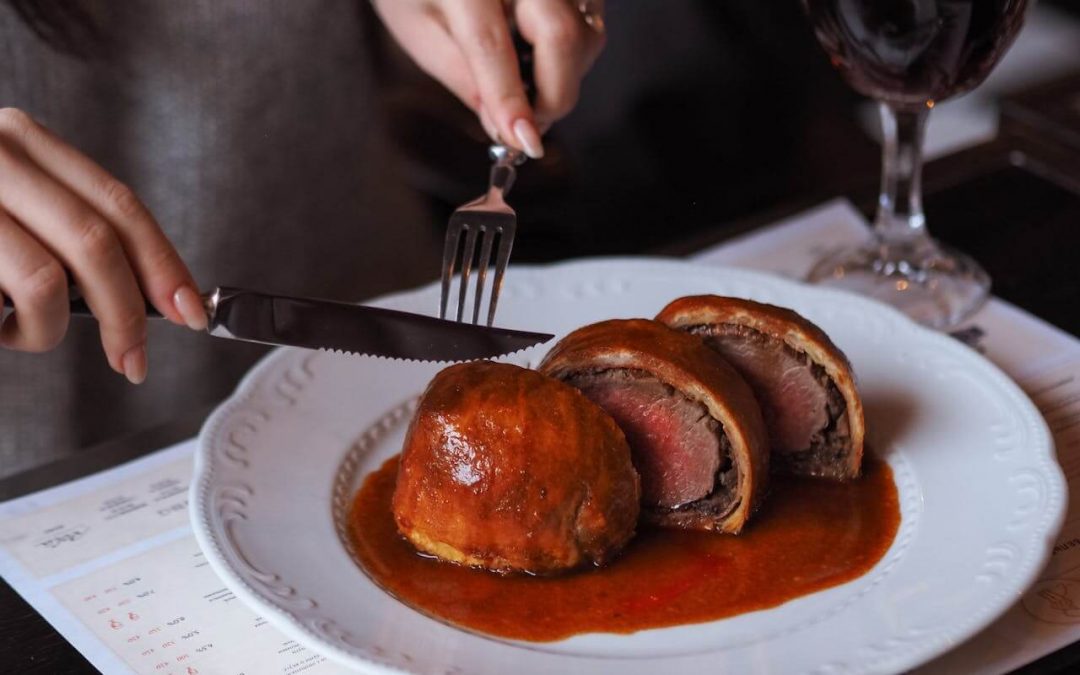
A knife cuts through flaky puff pastry; the layers open to reveal tender beef, earthy mushroom duxelles, and a rich, savory center. A beef wellington moment like that feels right at The Red Door in San Diego’s Mission Hills, close to Balboa Park, where special dinners are part of the local rhythm.
A smart wine pairing for Beef Wellington can make the dish taste even better. Bold Bordeaux blends can stand up to the beef and sauce, and elegant Pinot Noir can match the mushrooms without feeling heavy. This guide breaks down pairing by the dish, the sauce, and the style of wine, so a person can choose with confidence for a date night, holiday dinner, or a chef-style celebration.
Key Takeaways
- Choose a bold red with structure, such as a Bordeaux blend or Cabernet, to pair with the rich beef, mushrooms, and pastry in Beef Wellington.
- Try Pinot Noir or a Merlot-based blend when the Wellington is medium-rare and mushroom-forward, since they echo those earthy flavors without feeling too heavy.
- Use sauce as your guide; lighter mushroom or shallot sauces fit softer reds, while deep red wine reductions work better with bigger, darker reds.
- Enjoy oaked Chardonnay or dry bubbles as a twist, especially when you want something that complements the buttery crust and keeps each bite feeling fresh.
Beef Wellington Basics: Why This Dish Is Tricky to Pair
Beef Wellington stacks big flavors in one bite. It usually includes beef tenderloin, mushroom duxelles, prosciutto or pâté, and buttery puff pastry, all wrapped in a crisp crust.
Those layers bring rich, earthy, umami flavor, plus butter and a slight sweetness from the pastry. The name is often tied to the Duke of Wellington, and the dish’s “fancy” reputation comes from how precise the cooking needs to be. Many chefs serve it medium-rare with a red wine sauce, and that classic style is a key reason structured wines pair best.
Why Wine Pairing Matters
Wine pairing matters here because Beef Wellington has fat, protein, and earthy flavors all at once. Tannins in red wine can help “clean up” rich beef, and acidity can cut through buttery pastry, so the bite does not feel too heavy.
Earthy notes in wine can also echo mushrooms, making the duxelles taste deeper and more balanced. Light, simple wines often get overwhelmed by this dish, especially when a red wine reduction or rich gravy is on the plate.
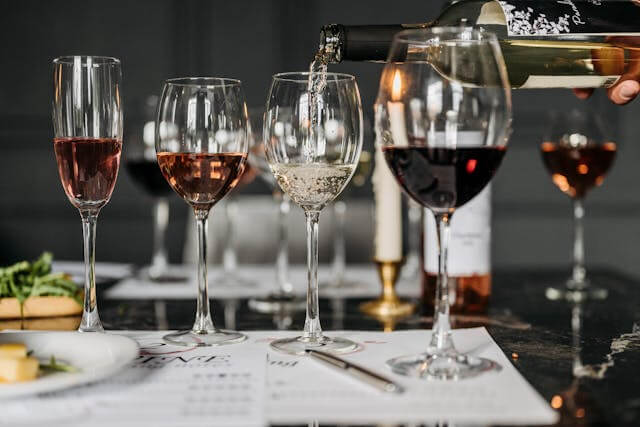
Top Red Wine Pairings
Most Beef Wellington wine pairing wins come from reds with structure, good acidity, and savory depth. The goal is balance, not power for the sake of power.
Bordeaux blends (often Cabernet Sauvignon and Merlot) bring black fruit, cedar-like notes, and tannins that hold up to beef and sauce. Right Bank styles such as Saint-Émilion and Pomerol are smoother and pair especially well with mushrooms, as Merlot-driven blends often taste plush and earthy.
Burgundy Pinot Noir is a chef’s favorite when the Wellington is medium-rare, and the mushroom flavor stands out. Pinot Noir can bring red fruit and forest-floor notes, and it often has enough acidity to keep pastry from feeling heavy.
Syrah and Cabernet Sauvignon can also shine. Syrah often brings peppery, savory notes that pair well with mushrooms and gravy. Cabernet can bring black currant and firm structure, which works well when the sauce is bold and the cook wants a stronger red.
For budget-friendly practice at home, these bottles often cost under $50, depending on vintage and retailer, and pairing them with a few mains from the dinner menu can help identify the best match.
Red Wine Comparison Table
Use the table below to compare popular red styles for Beef Wellington wine pairings. It focuses on flavor, why it works, and a common price range.
| Wine Type | Key Flavors | Why It Pairs Well | Price Range | Example Bottles |
| Bordeaux Blend | Black fruit, cedar, firm tannins | Holds up to beef and rich sauce, cuts through fat | $25–60 | Château Lanessan (Haut-Médoc) |
| Right Bank Merlot Blend | Plum, cocoa, soft earth | Smooth texture matches mushrooms, stays rich but not sharp | $35–75 | Château Pipeau (Saint-Émilion) |
| Burgundy Pinot Noir | Red fruit, earth, and mushroom notes | Echoes of duxelles, bright acidity lifts the pastry | $30–80 | Louis Jadot Bourgogne Pinot Noir |
| Syrah (Northern Rhône style) | Pepper, dark berries, savory spice | Matches gravy and mushroom, adds depth | $25–60 | E. Guigal Crozes-Hermitage Rouge |
| Cabernet Sauvignon | Black currant, mint, oak spice | Strong structure for bold sauce and deeper sear | $25–60 | Louis M. Martini Sonoma Cabernet |
Price ranges are estimates and may vary by vintage, region, and store. If the sauce is lighter, Pinot Noir or a softer Merlot blend often works best; if the sauce is darker and richer, Bordeaux or Cabernet usually works better.
Unexpected White and Sparkling Options
Red wine is the usual move, but some whites and bubbles can work in the right setup, and a person can scan The Red Door’s drinks options to get a feel for styles that stay food-friendly.
An oaked Chardonnay can pair well with pastry because it often tastes creamy and full, mirroring a buttery crust. A white Bordeaux blend (often Sémillon and Sauvignon Blanc) can bring herbal balance and enough weight for richer bites, especially when the sauce is not too heavy.
A Brut Champagne or other dry sparkling wine can also surprise people. Bubbles cut through fat quickly, and the toasty notes in sparkling wine can complement the crust in a fun, festive way. These options work best for lighter sauces or for diners who want a chef-approved alternative to red.
Pairing by Sauce and Variations
Sauce choice can change the best Beef Wellington wine pairing more than people expect. A red wine reduction often pairs well with Bordeaux blends or Cabernet because the wine structure matches the sauce depth.
A Madeira-style sauce or foie gras variation can lean richer and sweeter, so a white Bordeaux from Pessac-Léognan can make sense when a person wants balance without extra tannin. A mushroom-forward sauce often feels great with Right Bank Merlot blends, since the plush texture and earthy notes can mirror the duxelles.
Variations matter too. A rare to medium-rare Wellington can feel more elegant, so Pinot Noir often fits. A more cooked Wellington can taste firmer and heavier, so a bigger Cabernet or Bordeaux blend may feel better. In San Diego, a person can find many of these styles stocked around downtown, including the Gaslamp Quarter, where wine and dining options are easy to pair into one night.
Pro Tips from Chefs
Small details can turn a good pairing into a great one. The tips below help the wine and the Wellington meet in the middle.
- Decant bigger reds for about an hour; it can soften tannins and open up the aroma.
- Serve reds slightly cool, around 60–65°F, so alcohol does not taste sharp.
- Match wine strength to doneness: lighter reds for medium-rare, bigger reds for more cooked meat.
- Avoid sweet wines; they clash with savory beef and mushroom flavors.
- Skip heavily oaked whites when the gravy is very dark and rich; they can taste muddy together.
- Taste in steps: sip the wine first, then bite the Wellington, then sip again; it helps a person notice what changed.
- Start with mid-range bottles for practice; many chefs test pairings this way before going premium.
Frequently Asked Questions
What is the best beef wellington wine pairing for most dinners?
A Bordeaux blend is often the best wine pairing for Beef Wellington because its tannins complement the beef and its structure supports a rich sauce.
Can Pinot Noir work for a beef wellington wine pairing?
Yes, Pinot Noir often pairs well with Beef Wellington when the Wellington is medium-rare, and mushrooms predominate in the flavor profile.
What wine pairs best with Beef Wellington and mushroom sauce?
A Right Bank Merlot blend, like a Saint-Émilion style, pairs well because it can match earthy mushroom notes without harsh tannin.
What wine goes with Beef Wellington and red wine reduction?
A Bordeaux blend or Cabernet Sauvignon usually fits because the wine structure complements the depth of a red wine sauce.
Are sparkling wines a good beef wellington wine pairing?
Dry sparkling wine can be a good pairing for Beef Wellington when the sauce is lighter, as bubbles cut through the pastry fat and keep bites fresh.
What wines should be avoided with Beef Wellington?
Very light reds and sweet wines often fail as a beef wellington wine pairing because they get overwhelmed by beef, mushrooms, and pastry.
Where can people enjoy a Beef Wellington wine pairing in San Diego?
For a chef-style dinner in San Diego, The Red Door in Mission Hills can help guests plan a wine-friendly meal. Guests can use the contact page to make reservations.
The Takeaway: A Chef-Style Pairing That Tastes Right
Beef Wellington has layers, and the wine should have structure to match. A simple dessert finish can round out the night without feeling heavy. Bordeaux blends and Cabernet handle rich sauces, Pinot Noir can echo mushrooms with elegance, and sparkling wine can cut pastry fat when a lighter option suits the palate.
Make Beef Wellington Night a Wine-Paired Dinner in Mission Hills
For Italian fine dining in San Diego, The Red Door in Mission Hills offers a wine experience that pairs well with chef-driven mains and special dinners, with selections featured on the wine list and across the menus.
Contact us online or call us at (619) 295-6000. Visit us for a relaxed night of Italian food and thoughtful wine pairing.