
Beef Wellington and roast beef both evoke a special dinner feeling, but they do so in very different ways. Beef Wellington uses tenderloin wrapped with mushroom duxelles and puff pastry for show and layers, while roast beef is a seasoned cut cooked uncovered until juicy, winning for ease and leftovers. One comes wrapped in pastry and layers, the other keeps the focus on pure beef and a great roast.
In San Diego, both dishes feel right at home after a day exploring Balboa Park, where the City of San Diego’s Balboa Park info makes planning a simple stop easy.
This guide compares taste, effort, cost, and the best occasions, then helps you choose the best option for the night.
Key Takeaways
- Beef Wellington wows with its pastry wrap and mushroom layers, but it takes more work and costs more.
- Roast beef keeps it simple and juicy with basic seasoning, perfect for easy weeknight wins.
- Pick Wellington for fancy parties where looks matter, roast beef for chill family meals and leftovers.
- Both shine with a good rest and thermometer, roast beef costs less per pound to feed the crew.
What Is Beef Wellington?
Beef Wellington is a “special occasion” dish built around beef tenderloin. Cooks sear the beef, wrap it with mushroom duxelles, often add prosciutto or pâté, then bake it inside puff pastry until the crust turns golden.
It looks elegant on the table, but timing matters. A host who skips chilling or overbakes it can end up with dry beef or a soggy bottom, especially when the pastry traps steam.
What Is Roast Beef Compared to Steak Wellingtons?
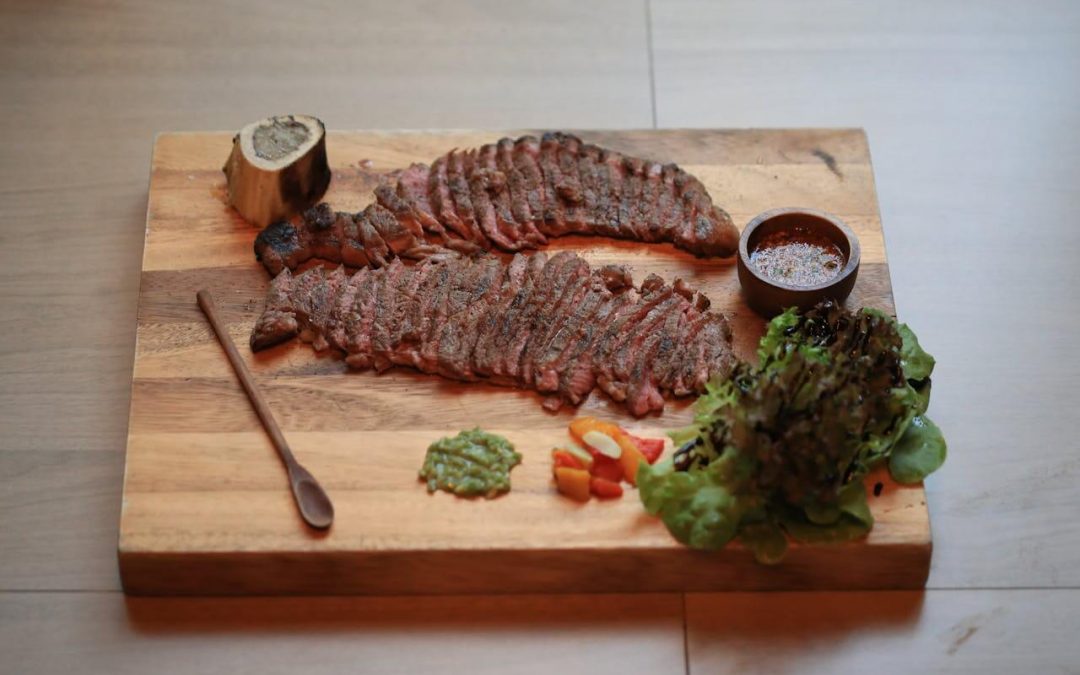
Roast beef is a classic for a reason because it is direct and dependable. A cook seasons a larger cut, such as ribeye, sirloin, or top round, then roasts it low and slow until the center remains pink and juicy.
It fits weeknights, Sundays, and sandwiches. It also pairs well with simple sides and gravy and does not require pastry, wrapping, or additional fillings.
History and Origins
Both dishes carry a “classic” reputation, but their backstories look different. Knowing the roots helps explain why Wellington feels flashy and roast beef feels familiar.
Beef Wellington is often linked to the Duke of Wellington, but its exact origin remains debated, and many historians connect it to a French-style beef-in-pastry tradition. Roast beef, on the other hand, grew into a long-running English staple, especially as a centerpiece meal.
Key Ingredients Comparison
The ingredient list is where the gap shows up fast. One dish stacks layers, the other leans on beef, seasoning, and roasting technique.
| Aspect | Beef Wellington | Roast Beef |
| Main cut | Beef tenderloin (filet) | Ribeye, sirloin, or top round |
| Key add-ins | Duxelles, prosciutto or pâté, mustard, puff pastry | Salt, pepper, herbs, and optional garlic |
| Wrapper | Puff pastry (or similar) | None |
| Flavor notes | Earthy mushrooms, buttery crust, rich and layered | Clean beef flavor, browned crust, savory drippings |
| Typical cost per lb in San Diego (est.) | Often higher, about $17–$24/lb for tenderloin roasts in local grocery pricing | Often lower, about $7–$12/lb for top round or similar roasts |
Note: Prices vary by grade, store, and season, so treat these as planning ranges rather than fixed numbers.
How Each Dish Gets on the Table
Preparation is the real deciding factor for many diners. Wellington rewards effort; roast beef rewards patience.
To keep the steps clear, the quick outlines below show what each dish needs from start to finish.
- Beef Wellington: Sear tenderloin, cool it fully, cook and dry out the duxelles, wrap with prosciutto and pastry, chill, then bake hot until the pastry browns and the center hits the target doneness. Many cooks aim to pull the beef around 125°F–130°F, then let it rest for a medium-rare feel.
- Roast beef: Season the roast, cook it low and steady, then rest it well before slicing so the juices stay inside. Many kitchens roast around 325°F and plan roughly 15–20 minutes per pound, but a thermometer matters more than a clock.
Flavor, Texture, and How Heavy It Feels
Flavor comes down to what a diner wants on the plate. Wellington tastes complex because mushrooms add umami and pastry adds buttery richness, while roast beef stays beef-forward with a browned, savory crust.
Texture also differs. Wellington mixes crisp pastry with a tender center, but roast beef gives juicy slices and can feed more people with less fuss. Nutrition varies by cut and portion, but Wellington usually feels heavier because the pastry adds extra fat and carbs.
Pros and Cons at a Glance
Every host wants honest trade-offs, especially when planning a dinner around timing. The bullets below keep the pros and cons simple and easy to compare.
- Beef Wellington pros: Big presentation, layered flavors, great for holidays and date-night hosting.
- Beef Wellington cons: More steps, higher cost, tighter timing, pastry can turn soggy if moisture stays trapped.
- Roast beef pros: Easier method, more affordable, forgiving cook, strong leftovers for sandwiches.
- Roast beef cons: Less “wow” on looks, can dry out if it skips rest or cooks too hot.
When to Choose Each
The best pick depends on the night, the budget, and how much time a cook wants to spend in the kitchen.
A host might choose Beef Wellington when the goal is a showpiece for a birthday dinner or a celebration. Roast beef makes more sense for a relaxed gathering, a family meal, or any night when the cook wants steady results and easy slicing.
Final Verdict
There is no single winner for every occasion, but there is a clear pattern. Beef Wellington is usually associated with elegance and layered flavor, while roast beef is associated with simplicity, value, and comfort.
For San Diego celebrations, Wellington often feels “supreme” because it turns dinner into an event, especially when paired with a structured red and a calm serving plan. For everyday wins, roast beef stays the reliable classic.
Frequently Asked Questions
Is Beef Wellington harder than roast beef?
In the beef wellington vs roast beef debate, Wellington is more challenging because it requires pastry, filling, chilling, and tighter timing, while roast beef mainly needs steady heat and a good rest.
Which tastes richer, Beef Wellington or roast beef?
Beef Wellington is usually richer than roast beef because mushroom duxelles and puff pastry add buttery, earthy layers to the beef.
What wine works best for beef wellington vs roast beef?
For beef wellington and roast beef, medium- to full-bodied reds with good acidity often work best, as they handle beef richness and do not taste flat alongside savory sauces.
Which is better for feeding a crowd on a budget?
Roast beef usually wins because it costs less per pound and scales easily, whereas Wellington uses tenderloin and additional ingredients that increase the total cost.
Can a cook make Beef Wellington ahead of time?
A cook can prep components ahead for beef wellington vs. roast beef, especially the duxelles and wrapping steps, but baking should stay close to serving for the best crust.
Where can diners try Beef Wellington in San Diego?
Diners in San Diego who want Beef Wellington can check The Red Door’s dinner menu when planning their meal, then contact the team to make reservations for a special night out.
Does The Red Door help with wine pairing ideas for beef dishes?
For beef wellington vs roast beef wine choices, The Red Door’s team can help match a bottle or glass with the meal, and the restaurant’s wine list makes it easy to see the style options before visiting.
The Takeaway for the Perfect Pick
Beef Wellington vs roast beef comes down to goals. Wellington fits nights that need a centerpiece and layered flavor, while roast beef fits nights that need ease, value, and great leftovers.
In San Diego, either choice can feel right, as long as the cook uses a thermometer, rests the meat, and keeps sides simple so the beef stays the star.
Reserve a Table for a Classic Beef Dinner in Mission Hills
For Italian dining in San Diego, The Red Door in Mission Hills is a great place to enjoy a special-occasion beef dish and a thoughtful wine pairing. You can lock in plans by making reservations, calling us at (619) 295-6000. Come visit us in San Diego for a relaxed night out.